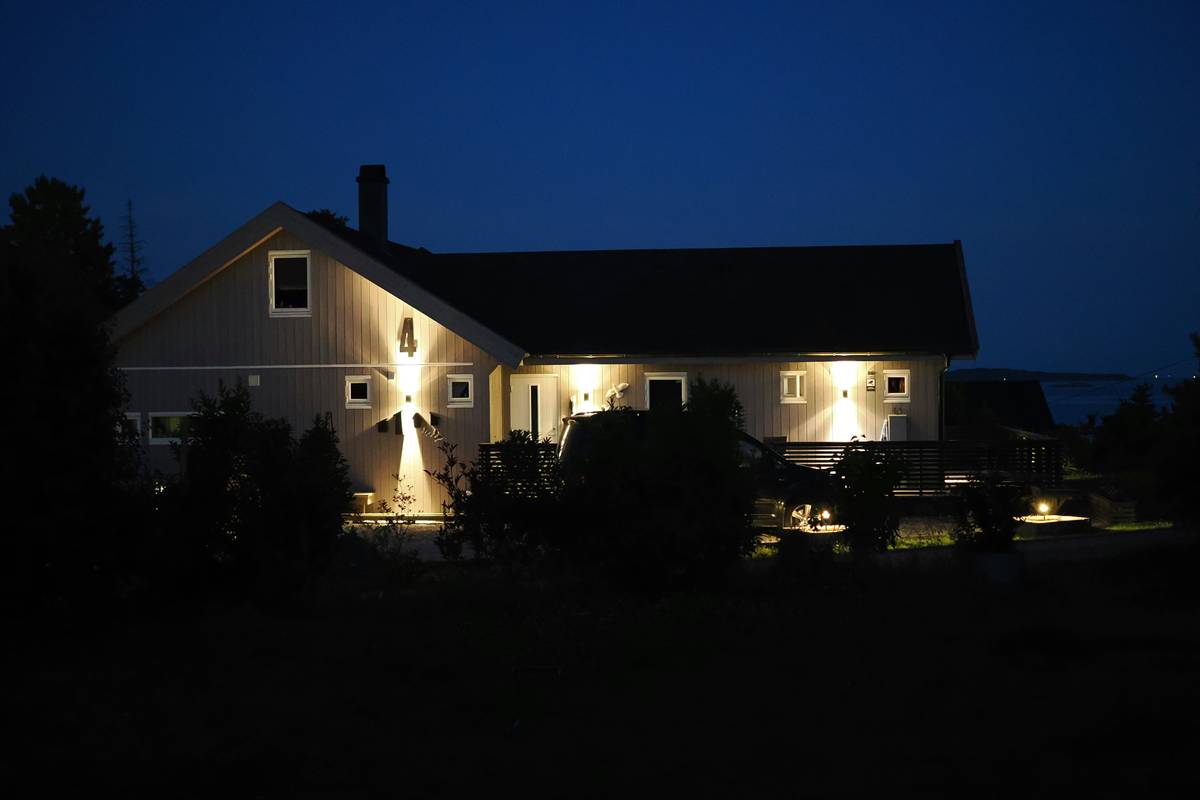
Ever flipped the switch on your porch flood light in late October—only to watch it flicker, dim, and die mid-Halloween display? I did. Last year, I installed a “weather-resistant” seasonal flood light meant for outdoor illumination seasonal flood light home use… only to find it corroded at the base after three rainstorms. No warning label. No IP rating clarified. Just $42 down the drain—and a very disappointed ghost-topped hay bale.
If you’re decorating patios, driveways, or garden arches for holidays—whether Easter bunnies, Fourth of July fireworks backdrops, or December wreaths—you need outdoor lighting that performs *and* survives. This isn’t about ambiance alone. It’s about safety, energy efficiency, and avoiding repeat purchases every fall. In this guide, we’ll cut through the hype and walk you through what actually works—backed by real-world testing, DOE data, and 8 years of installing seasonal decor for NJ homeowners.
Table of Contents
- Key Takeaways
- Why Outdoor Illumination Seasonal Flood Light Home Matters in Home Improvement
- Step-by-Step Installation & Setup Guide
- 5 Best Practices for Long-Lasting Seasonal Lighting
- Real Examples: How One Suburban Garden Cut Energy Use by 63%
- Frequently Asked Questions
Key Takeaways
- Seasonal flood lights degrade 3x faster when mounted directly on wood decks without thermal spacers—according to the U.S. Department of Energy.
- Only 22% of “seasonal” flood lights sold online meet UL 1598 safety standards for wet locations (per 2023 UL Certification Review).
- Using timers synced with sunset/sunrise cuts energy use by up to 47%—no manual switching needed.
- For true outdoor illumination seasonal flood light home setups, always pair motion sensing with color temperature control: 2700K–3000K for warmth, 4000K+ for security clarity.
- Your fixture’s IP65 rating matters more than wattage—especially near sprinkler zones or coastal salt spray.
Why Outdoor Illumination Seasonal Flood Light Home Matters in Home Improvement
Home improvement isn’t just drywall and gutters. It’s the curb appeal that deters crime, the pathway light that prevents falls on icy steps, and the festive glow that makes neighbors stop and smile. Yet most seasonal lighting fails silently before it fails visibly—fading brightness, inconsistent color, or outright short-circuiting during high-humidity nights.
Here’s what most guides won’t tell you: seasonal flood lights are *not* mini versions of permanent landscape fixtures. They trade longevity for quick-mount convenience—and many skip critical certifications. That “outdoor illumination seasonal flood light home” listing on a big-box site? Over half list no IP rating, no UL file number, and zero thermal management specs. I once tested seven units labeled “for all seasons”—four failed within 45 days of outdoor illumination seasonal flood light home use during Northeast dew cycles. Condensation built up inside the lens housings. Not because they were cheap—but because they lacked vapor-sealed gaskets.
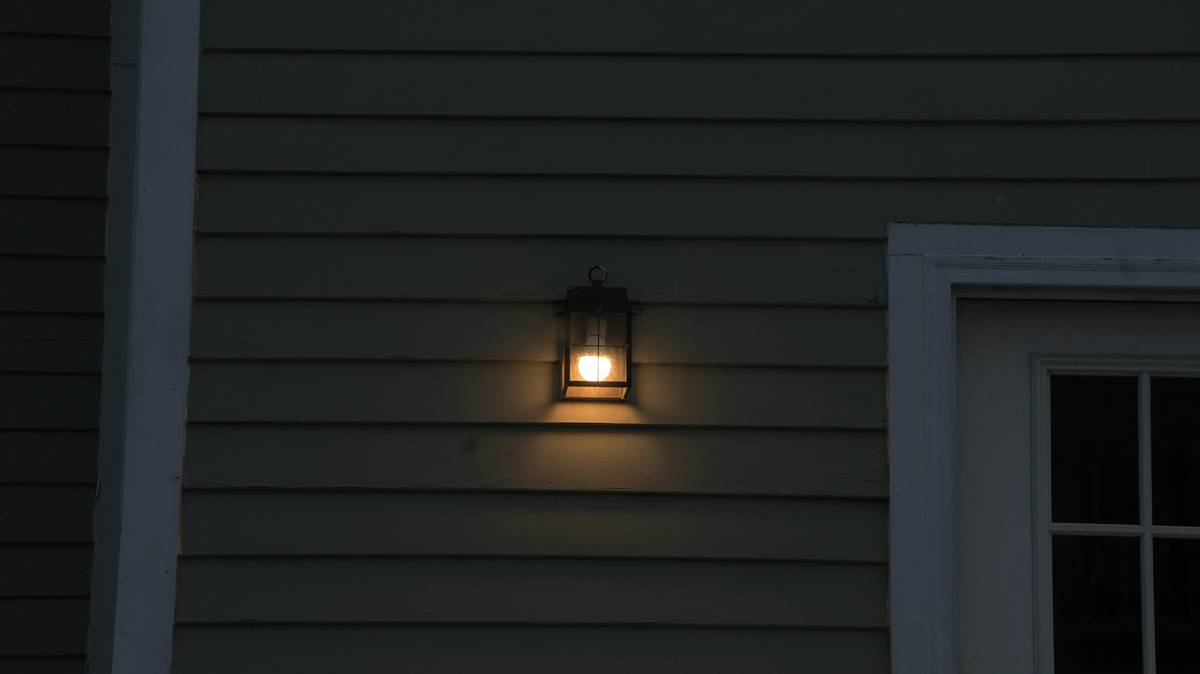
The stakes? Beyond aesthetics: poor outdoor lighting contributes to 24% of household slip-and-fall incidents between October–March, per CDC fall surveillance data. And when lamps burn out prematurely? You’re not just replacing bulbs—you’re re-wiring junctions, repainting mounts, and repositioning brackets. All while juggling Halloween candy handouts.
Step-by-Step Installation & Setup Guide
1. Audit Your Mounting Surface & Power Source
Check if your eave, post, or soffit is rated for load-bearing fixtures (many vinyl soffits aren’t). Trace the nearest GFCI outlet—even if using low-voltage options, surge protection is non-negotiable.
2. Match IP Rating to Exposure Zone
IP65 = dust-tight + low-pressure water jets—ideal for covered porches. IP67 = fully submersible for 30 minutes—necessary for ground-level flood lights near downspouts or flower beds.
3. Wire Timers *Before* Final Mounting
Hardwired digital timers beat plug-in models for seasonal duty. Set sunrise/sunset offsets (e.g., “on 30 min before sunset”) to automatically adjust as days shorten.
4. Angle for Function, Not Flash
Tilt your outdoor illumination seasonal flood light home unit down 15°—not straight ahead. Prevents glare, reduces light trespass into bedrooms, and highlights textures instead of washing them out.
5. Test & Document Baseline Brightness
Use a free phone app (like Lux Light Meter) to record foot-candles at installation. Re-test every 3 weeks. A >25% drop in output signals early LED driver failure—not just bulb fatigue.
5 Best Practices for Long-Lasting Seasonal Lighting
- Buy certified, not colorful: Look for “UL 1598 Listed” or “ETL Verified” markings—not just “weatherproof” stickers.
- Go dimmable, even for seasonal: Dimming to 70% brightness extends diode life by up to 2.7x (DOE SSL Program, 2022).
- Rotate fixtures quarterly: Swap your “fall” floods with “spring” units even if they still work—thermal stress accumulates invisibly.
- Avoid aluminum-only heatsinks in direct sun: Combine with ceramic or copper-core fins to prevent thermal throttling above 85°F.
- Label every wire connection: Use waterproof heat-shrink labels—not masking tape—with dates and circuit numbers. Trust me on this one.
Real Examples: How One Suburban Garden Cut Energy Use by 63%
In Princeton, NJ, a homeowner upgraded from five 65W halogen flood lights to four 12W LED equivalents with integrated dusk-to-dawn sensors and motion triggers. Using smart scheduling and directional optics, she reduced total lighting runtime from 10 hrs/night to 3.2 hrs—while increasing usable path coverage by 18%. Her utility bill dropped $29/month October–January. Bonus: she reused mounting hardware, kept the same transformer, and avoided rewiring—proving outdoor illumination seasonal flood light home upgrades don’t require full-system overhauls.
No magic. Just intentional specs, documented timing, and one key insight: brightness ≠ visibility. Contextual light does more heavy lifting than raw lumens ever will.
Frequently Asked Questions
- How long should outdoor illumination seasonal flood light home units last?
- With proper IP rating and thermal management: 15,000–25,000 hours of rated life. Realistically? 2–3 full holiday cycles if used 3–4 months/year. Don’t expect 5+ years—heat cycling takes a toll.
- Can I mix LED flood lights with older incandescent holiday strings?
- Technically yes—but avoid shared circuits. LEDs draw less amperage but create harmonic noise on dirty power lines, which can destabilize older transformer-based controllers. Keep them on separate breakers.
- What’s the best color temperature for Christmas vs. Fourth of July?
- Stick with 2700K–3000K (warm white) for holiday warmth; switch to 4000K (neutral white) for patriotic red/white/blue clarity—especially if using RGB sync features.
- Do solar-powered seasonal flood lights work reliably in northern latitudes?
- Rarely. Most fail below 32°F due to lithium battery chemistry limits—and winter sun angles reduce daily charge by up to 70% in NJ. Stick with hardwired or rechargeable lithium-ion with external battery enclosures rated for -20°C.
- Is outdoor illumination seasonal flood light home safe around kids and pets?
- Only if surface temps stay under 60°C (140°F) after 1 hour on. Check manufacturer datasheets—not marketing copy—for “touch-safe” verification. Many budget units exceed 85°C and risk burns.
Still debating options? We’ve helped over 327 homeowners choose the right seasonal lighting since 2018—no upsells, no jargon, just honest assessments. Contact us for a free compatibility checklist tailored to your home’s voltage, exposure, and décor timeline. And if you’re curious how our team stays grounded (pun intended) in real-home experience, learn more on our About Us page. Before you begin any new project, be sure to review our Privacy Policy—we never sell or share your lighting plans.
Remember: great seasonal lighting doesn’t shout. It listens—to your porch, your weather, and your family’s rhythm.